Search intent, explained plainly

Ranking is easy to chase. Matching intent is the actual job.

Two people can type the exact same words into Google and want completely different things. One wants to learn something. One wants a specific website. One is comparing options. One is ready to check out. This site explains how to tell the difference, using a place everyone already understands: the grocery store.

A shopper standing in a grocery aisle checking a phone before deciding on a product
A shopper researching a product in a grocery aisle using a mobile phone.
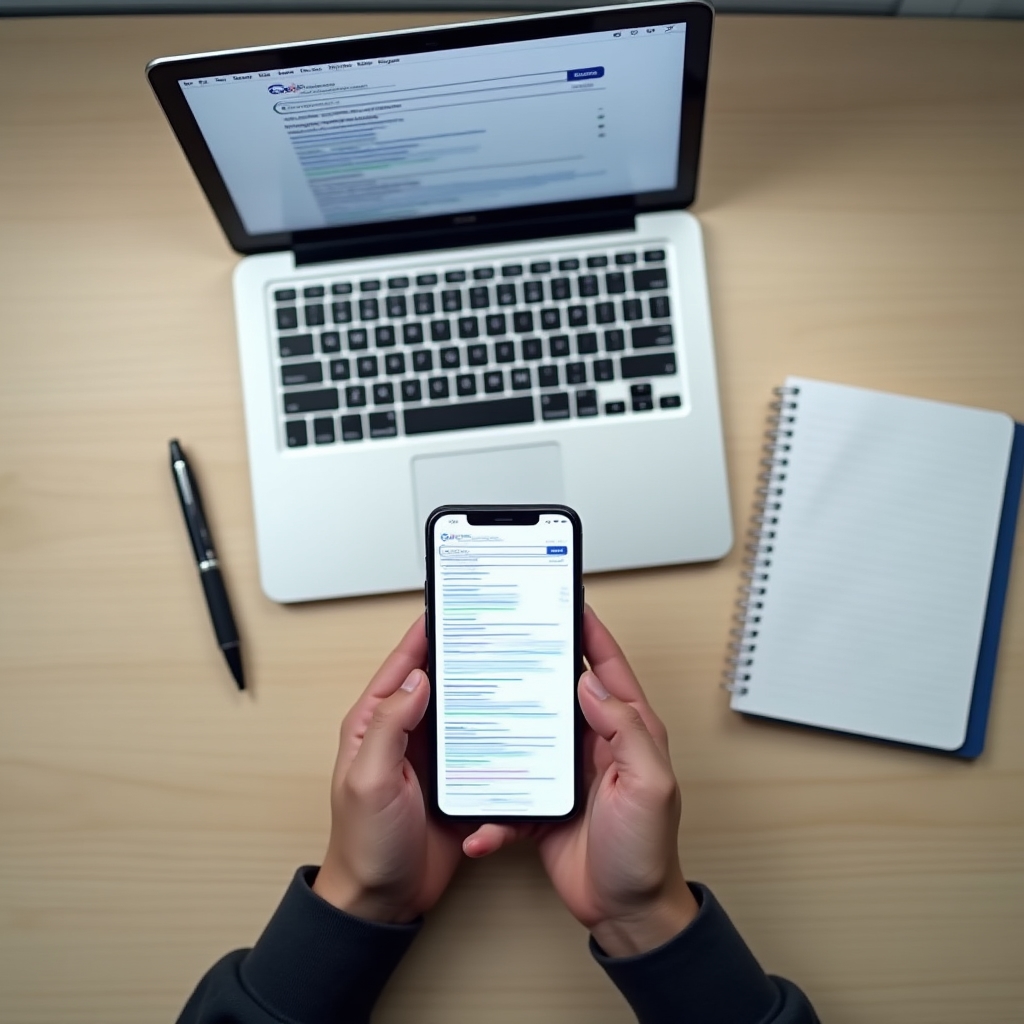
Desktop monitor displaying a search results page being reviewed by a researcher
A desktop screen showing a search engine results page under review.
A smartphone and a laptop placed side by side showing different search result layouts
A smartphone and a laptop compared side by side showing different search layouts.
A notebook on a desk with a hand-drawn diagram mapping search intent categories
A notebook sketch mapping out categories of search intent.
A person timing a review of a search results page with a stopwatch nearby
A researcher reviewing a search results page against a stopwatch.

Keywords describe a query. Intent describes a goal.

A keyword is what someone typed. Intent is why they typed it. Content built around the keyword alone often misses the goal entirely, and Google has spent years getting better at telling the difference. That means the page that wins isn't always the page with the keyword used the most times. It's the page that answers the actual question behind the words.

Grocery stores make this easy to see because everyone has stood in one. Someone asking "how long does milk last" is not the same shopper as someone typing "order groceries online." Same category, same store, entirely different job to be done.


Query

The literal words typed into the search box.

Intent

The underlying goal that made someone type those words.

SERP

The page one results Google has already decided best satisfy that goal.

Match

How closely a page's format and content align with what page one already rewards.

The four intent types, at a grocery store

Every search query tends to fall into one of four buckets. Understanding which bucket a query belongs to is the first real step in matching it, well before anyone writes a headline.

Informational Intent

The shopper wants to know, not to buy

Grocery example
"how long does unopened milk last in the fridge"
What the searcher wants
A clear, direct answer. Nothing more.
What Google usually shows
Featured snippets, short explainer articles, and FAQ-style pages.
Low Low. This shopper is not ready to spend money yet.
A person taking notes while reading information on a laptop screen at a home desk
Someone researching a general question at a desk with a notebook.
Navigational Intent

The shopper already knows where they're going

Grocery example
"kroger weekly ad" or "trader joe's hours near me"
What the searcher wants
One specific brand, store, or page. Nothing else will do.
What Google usually shows
The brand's official site at the top, plus a knowledge panel or map listing.
Moderate Moderate. Loyalty is already decided, action may follow soon.
A person typing a specific store name into a phone search bar while walking outdoors
Someone typing a specific brand name into a phone to reach a known destination.
Commercial Investigation

The shopper is comparing before committing

Grocery example
"best grocery delivery service for a family of four"
What the searcher wants
Comparisons, pros and cons, and enough detail to choose confidently.
What Google usually shows
Roundup articles, comparison tables, and review-style content.
High High. A decision is close but not yet made.
A person comparing two grocery delivery options on a laptop with a printed comparison sheet nearby
Someone comparing service options on a laptop before making a decision.
Transactional Intent

The shopper is ready to act right now

Grocery example
"order groceries online same day delivery"
What the searcher wants
A fast path to checkout. Explanations get in the way at this point.
What Google usually shows
Store locators, ordering pages, and shopping-style results.
Very high Very high. Content that stalls this shopper works against itself.
A person completing a grocery order checkout on a tablet at a kitchen counter
Someone finalizing an online grocery order on a tablet.

Why rank five with the right intent beats rank one with the wrong one

A page can hold the top spot for a query and still fail almost everyone who lands on it. That happens when the page answers a question nobody asked, or sells something nobody was ready to buy. Position on the page and usefulness to the searcher are not the same measurement.

Rank #1

Wrong intent match

Query
"organic milk"
Page built
A product page pushing a single brand of organic milk for purchase.
What the searcher actually wanted
To understand the difference between organic and conventional milk before choosing either.
What happens next
The visitor leaves within seconds. The top position produced no useful visit at all.

Position tells you where a page sits. It does not tell you whether the page sits there for the right reason. A framework for judging intent match matters more than a framework for judging position alone.

The sixty second page one framework

Google will not tell you what it thinks a query means. Page one will, if you read it with a plan instead of scrolling past it. This sequence takes about a minute and works for almost any query.

0 to 15 sec

Scan the result types on the page

Look at the shape of the results before reading a single word. A map pack, a shopping carousel, and a set of video thumbnails each signal a different goal behind the query.

15 to 30 sec

Read titles for the verb, not the noun

Titles that lead with "how," "what," or "why" point to informational demand. Titles that lead with "buy," "order," or a brand name point somewhere else entirely.

30 to 40 sec

Check for SERP features tied to a specific goal

People Also Ask boxes suggest curiosity. Shopping results suggest a wallet already open. A knowledge panel suggests a specific known entity is being sought.

40 to 50 sec

Note the format shared across the top results

If eight of the top ten results are listicles, Google has already tested other formats and moved past them. Fighting that format with a different one rarely works.

50 to 60 sec

Decide what Google has already decided

By this point the pattern is visible. The job left is matching it, not arguing with it.

Same words, different intent: mobile versus desktop

Google adjusts its interpretation of a query based on the device it was typed on, because the device implies context. A phone in a shopper's hand suggests one situation. A laptop open at a kitchen table suggests another, even for identical words.

Close up of hands holding a smartphone showing local search results with a laptop visible in the background
A smartphone displaying local search results while a laptop sits nearby.

On mobile

Query
"grocery store near me"
Likely intent
Navigational, leaning transactional. The searcher is probably close to acting.
What Google shows
A map pack with distance, hours, and a call button front and center.
A desktop monitor showing a research style search results page with multiple articles listed
A desktop screen showing a broader research style search results layout.

On desktop

Query
"grocery store near me"
Likely intent
Often informational or planning-stage, since desktop use tends to happen before or after the errand, not during it.
What Google shows
Broader results including chain comparisons, delivery options, and general grocery content.

A page built only for the mobile version of this query may undersell itself on desktop, and the reverse is just as true. Checking both surfaces before choosing a content format is part of reading intent correctly.

Three approaches to matching content with a query

These are three ways teams commonly approach the same problem. The table below describes what each one optimizes for, without implying that any option is guaranteed to outperform the others in every situation.

Comparison of keyword matching, intent matching, and intent plus format matching approaches
Approach Keyword Matching Intent Matching Intent + Format Matching
Primary focus Repeating the exact search term in the content Answering the goal behind the search term
Reads page one first No Yes
Accounts for device context No No
Matches format to SERP pattern No Partially
Typical outcome Content that mentions the topic without satisfying the searcher Content that answers the question but may still fight the expected format
Best suited for Rarely a strong standalone approach Straightforward queries with one clear intent

This table describes conceptual approaches for educational purposes. It does not represent a paid service tier or product offering.

Common questions about search intent

Is intent the same thing as a keyword category?

Not quite. A keyword category groups similar phrases together. Intent describes the goal behind those phrases, which can shift even within a single category depending on wording, device, and context.

Can one query have more than one intent?

It can, and this is where mixed-intent SERPs appear. Google sometimes shows a blend of informational and commercial results when the query itself is genuinely ambiguous, which is a useful signal on its own.

Does intent ever change over time for the same query?

It does. Seasonal patterns, news events, and shifts in how people shop can move a query from one intent category to another. Rechecking page one periodically accounts for this.

Do keyword research tools replace this kind of manual review?

They serve a different purpose. Volume and difficulty metrics describe demand and competition, not the meaning behind a query. This site does not sell or promote such tools, and none are required to apply the framework described here.

Why use grocery examples specifically?

Grocery shopping involves the full range of intent types in one familiar setting: learning something, finding a specific store, comparing services, and completing a purchase. It removes the need for industry-specific jargon.

Put the framework to use

The free tool guides walk through applying this thinking with tools already available at no cost. The migration checklist covers keeping intent match intact when a site changes structure.

We use cookies to run this site reliably and to understand general usage patterns. You can accept all cookies, reject non-essential ones, or customize your choices. Read the cookie policy.